



With the announcement by Mexican President Claudia Sheinbaum of moving forward to enact universal healthcare for her country’s more than 130 million people, the United States now remains the only developed, industrialized democratic nation that does not have universal health coverage.
Although a universal health coverage plan has been proposed many times, the Republican Party, under pressure from private insurance donors, opposed coverage, usually be by using misinformation and fear tactics (remember so-called “death panels”?). The situation has only worsened since the 2010 US Supreme Court case, Citizens United vs. Federal Election Commission with the court’s controversial 5-to-4 ruling that companies have the right of free speech like individuals and that spending money to influence voters is a type of speech. Since then, Super PAC money, which largely comes from a small group of the very wealthiest donors, started influencing elections almost immediately. From 2010 to 2022, super PACs spent approximately $6.4 billion on federal elections. In the 2024 election, they set a record of at least $2.7 billion. Super PAC money has largely eclipsed donations by small donors (people giving $200 or less), despite funds from small donors growing. A recent report shared by Vermont US Sen. Bernie Sanders revealed 50 billionaires alone spent $433 million to buy the elections last November, 80% of those funds going to candidates who supported a $1 trillion tax break for the top 1% wealthiest individuals at the expense of $1 trillion being cut from Medicaid and the Affordable Care Act.
It should be noted that President Barack Obama originally sought a single payer system but the Affordable Care Act (nicknamed Obamacare) that was developed and implemented was a compromise with a Republican congress and private insurance companies to get bi-partisan approval.
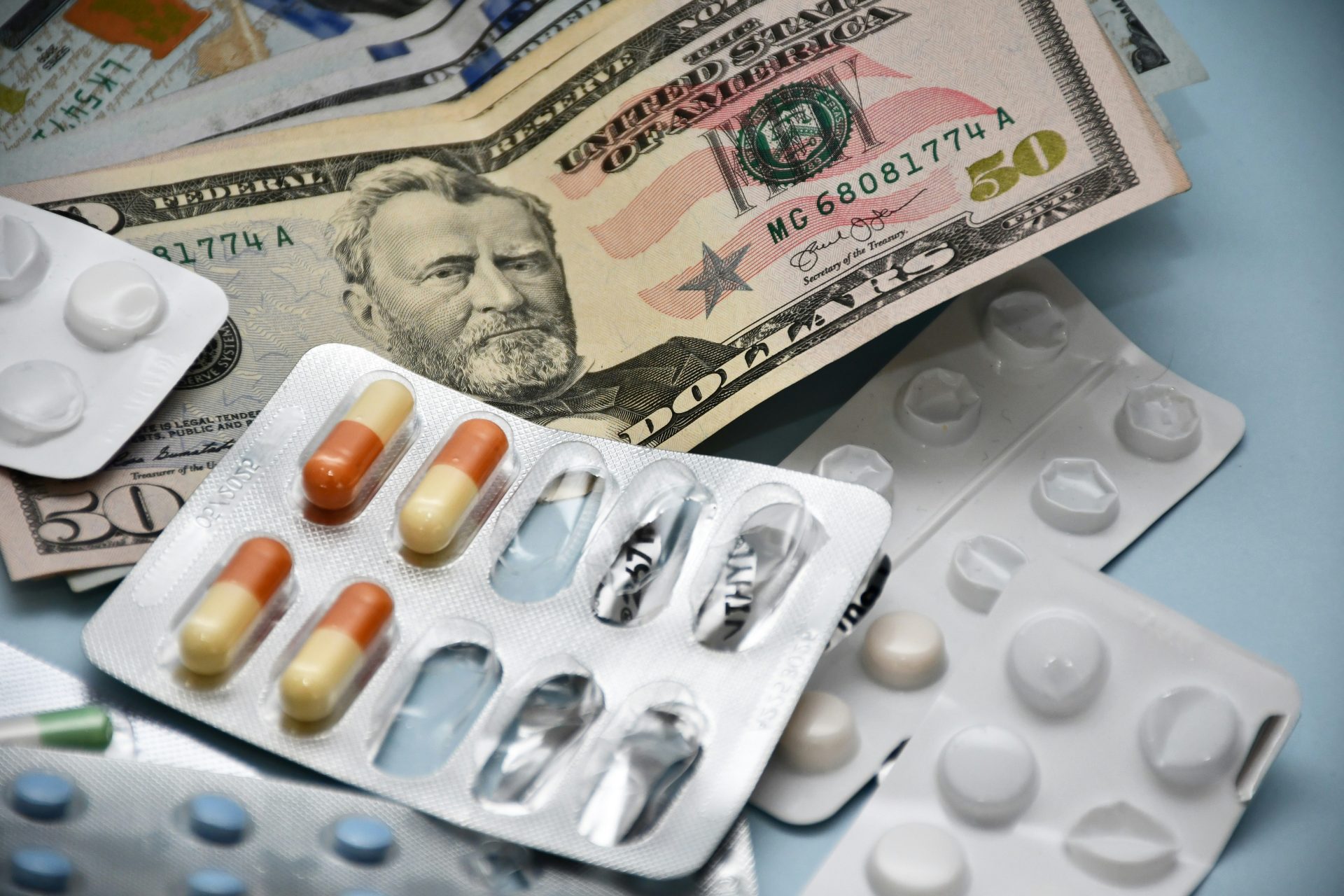
So, United States citizens still rely on local fundraisers and GoFundMe campaigns to fill the medical cost gap, or enduring such crushing medical debt that it is the number one cause of personal bankruptcy, accounting for approximately 66.5% of all bankruptcies in the U.S.—either from direct bills, income loss during illness, or both.
Below is a comparative briefing on democratic, high-income countries with universal or near–single-payer systems, followed by a contrast with the United States.
Global Snapshot: Universal / Single-Payer Systems
Across OECD countries Organisation for Economic Co-operation and Development) consists of 38 member countries, primarily high-income economies committed to democracy and market-based policies – universal systems (many single-payer or heavily state-funded) spend ~$6,000 per person annually vs. ~$14,800 in the U.S. (OECD)
They are primarily funded through taxation, with government or mandated insurance covering most care. (OECD)
1. 🇨🇦 Canada — Classic Single-Payer
Model: Government-funded provincial systems (true single payer for core services)
- Patient visit cost: $0 for doctor/hospital visits
- Coverage: Hospital, physician, diagnostics
- Dental: Mostly not covered (private/out-of-pocket)
- Wait times:
- Minor/specialist: often weeks
- Major elective surgery: weeks to months
- Notes: Median wait for diagnostics ~2 weeks; most under 3 months (Wikipedia)
2. 🇬🇧 United Kingdom — National Health Service (NHS)
Model: Fully public provider + payer (closest to “pure” single payer)
- Patient visit cost: $0 (GP, hospital)
- Coverage: Comprehensive (primary → surgery → emergency)
- Dental: Partially covered; often co-pays
- Wait times:
- Minor care: days to weeks
- Elective surgery: often months (target caps exist)
- Notes: Strict triage prioritizes urgent care
3. 🇫🇷 France — Hybrid Single-Payer (Highly Regulated)
Model: Public insurance + supplemental private (near-universal)
- Patient visit cost: ~$25 upfront, mostly reimbursed (~70–100%)
- Coverage: Extensive (doctor, hospital, drugs)
- Dental: Partially covered; better than most peers
- Wait times:
- Minor care: short (days)
- Surgery: generally shorter than UK/Canada
- Notes: Frequently ranked among best systems globally
4. 🇩🇪 Germany — Social Insurance (Multi-Payer but Universal)
Model: Mandatory non-profit insurers (not single payer, but comparable outcomes)
- Patient visit cost: Minimal (€0–€10 historically; often zero now)
- Coverage: Very broad (including prescriptions)
- Dental: Basic coverage included
- Wait times:
- Minor care: short
- Surgery: relatively fast vs. peers
- Notes: Higher spending (~$9k per capita) (LegalClarity)
5. 🇯🇵 Japan — Universal Regulated Insurance
Model: Government-regulated insurance + strict price controls
- Patient visit cost: ~30% co-pay (often $10–$30)
- Coverage: Very broad
- Dental: Included
- Wait times:
- Minor care: very short (often same day)
- Surgery: moderate
- Notes: Among lowest-cost systems globally (<$6k per capita) (LegalClarity)
6. 🇸🇪 Sweden / 🇳🇴 Norway — Nordic Model
Model: Tax-funded decentralized systems
- Patient visit cost: ~$20–$40 capped annually
- Coverage: Comprehensive
- Dental: Limited (more coverage for children)
- Wait times:
- Minor care: moderate
- Surgery: can be long (months), with legal guarantees
- Notes: Strong equity outcomes
🇺🇸 United States — Insurance-Based
Model: Mixed private insurance + public programs (Medicare/Medicaid)
- Patient visit cost:
- Insured: ~$20–$200+ copay
- Uninsured: $100–$500+
- Coverage: Varies widely by plan
- Dental: Usually separate insurance
- Wait times:
- Minor care: generally short
- Surgery: relatively fast
- Spending: ~$14,800 per capita (highest globally
Bottom-Line Analysis
- Universal systems trade money for time:
Lower out-of-pocket costs, but longer waits for non-urgent care. - The U.S. trades equity for speed:
Faster access for those insured, but higher costs and gaps in coverage. - Efficiency paradox:
Countries with single-payer or strong public systems generally spend far less overall, partly due to administrative simplicity and price controls. (ScienceDirect)